 Roxanne
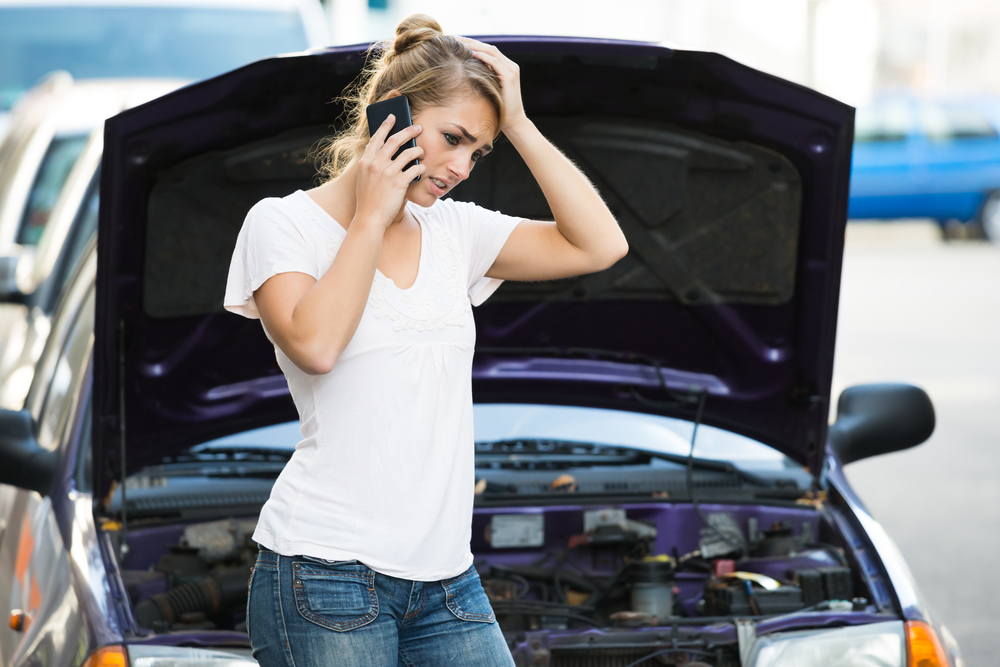
To keep such repairs at bay, follow these simple tips to keep your car in tip-top condition.
We’re living in one of the best times to sell a car, as even used car prices have skyrocketed. On the flip side, though, it may be the worst time to buy a car, as you’ll be paying a lot more than you expected.
Either way, your best bet is to hold on to the car you have, as you can avoid that extra expense of taking on a new monthly payment in such uncertain times. How can you hold on to it? By following these tips that will help you avoid costly trips to the mechanic.
1. Don’t drive until your gas light comes on.
For some reason, it’s incredibly tempting to use almost all of the gas that we have. It’s not a good idea, though, as frequently driving with little gas can wear out your fuel pump prematurely. It won’t be cheap if you need to replace the pump, either, as RepairPal estimates that the average fuel pump job costs just over a thousand bucks.
2. If your engine overheats, stop driving.
You’ve probably seen a scene in a movie or TV show where someone’s driving in a hot desert and their car overheats, leaving them stranded on the side of the road. While driving in extreme temperatures can cause such overheating, so can a bad water pump or a broken thermostat.
To avoid overheating, keep an eye on your coolant levels to make sure they’re not depleted. And when driving, make sure your temperature gauge isn’t in the danger zone. If it is, and your car overheats, shut your AC off immediately and turn your heater up.
Then, pull over and call a mechanic. Whatever you do, don’t continue to drive with the engine hot, as that could lead to a blown gasket head that can cost over $1,500 to replace.
3. Brake gently.
Do you accelerate so much that you find yourself braking hard every time you approach a red light or a stop sign? If so, be a little lighter on the gas pedal, as hard braking leads to excessive heat that will make your brake pads wear down prematurely. And while replacing those pads may not seem like a huge deal, it can set you back an average cost of nearly $300.
4. Make sure your tires are adequately inflated.
Underinflated tires are a seemingly “innocent” issue that can wear out your wallet quickly. They’re a hazard if you hit a pothole, and they can blow out at high speeds. And even if none of those disastrous events occur, underinflated tires wear out fast and need to be replaced more often.
5. Pay attention to warnings.
The next time you see an illuminated icon on your dashboard, bring your car to a mechanic before that problem gets worse. The same holds true for any strange sounds. When you hear them, they indicate a problem that could get costly, so visit the mechanic to prevent a repair that could set you back thousands.
Here are some examples of noises you should never ignore:
- Squealing when you accelerate – Loose fan belt.
- Grinding or knocking under the hood – Engine issue.
- Noise when changing gears – Transmission issue.
 Mark Luigi Dacumos