 Mark Luigi Dacumos
If you are running low on food, you do not have to wait weeks for help. Food banks, food pantries, meal sites, and local community programs can often help faster than benefit applications. Some places offer groceries the same day. Others may ask you to come during certain pickup hours or make an appointment first. The best place to start is the option that gets you food the fastest.
Need Food Today? Start Here
Call 211 or visit 211.org and ask for food assistance near your ZIP code. They can help you find food pantries, free meal programs, food delivery options, and other local resources. You can also use Feeding America’s food bank search tool. Enter your ZIP code to find the food bank that serves your area. That food bank can point you to nearby pantries and grocery distributions. If you cannot call or search online, try a local library, school office, church, community center, or county social services office. These places often keep updated lists of food resources.
What Food Pantries Usually Provide
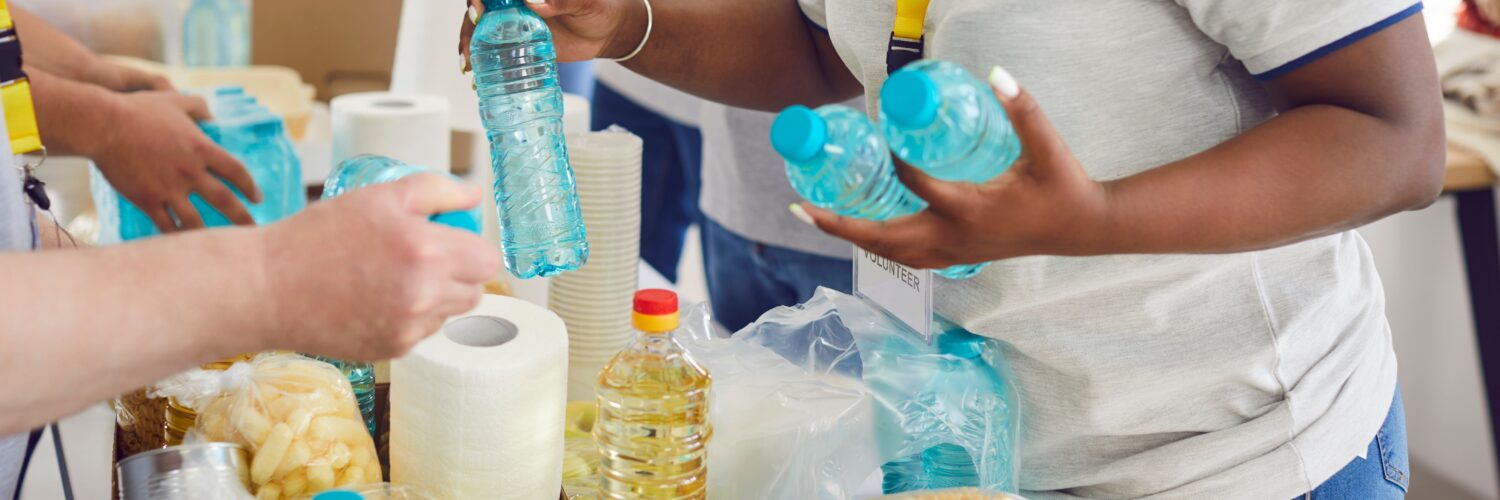
Food pantries may offer shelf-stable groceries, fresh produce, bread, dairy, frozen meat, baby food, or personal care items. What you receive depends on donations, funding, and what the pantry has that day. Some pantries hand out pre-packed boxes. Others let you choose items, more like a small grocery store. You may also find special programs for:
- Seniors
- Families with children
- Pregnant women
- People with disabilities
- People without transportation
- Households with pets
USDA’s Emergency Food Assistance Program helps provide food at no cost through states, food banks, soup kitchens, and pantries.
What to Bring With You
Rules vary, but many food pantries try to keep the process simple. It helps to bring:
- A photo ID
- Proof of address, such as a bill or piece of mail
- Bags, boxes, or a small cart
- Information about how many people are in your household
Some pantries may ask basic questions about income or where you live. Others may not require documents, especially for emergency food. Call ahead when possible so you know the pickup time, location, and any requirements.
Mobile Pantries and Food Delivery
If getting to a pantry is hard, ask about mobile food banks or delivery. Mobile pantries bring food to neighborhoods, schools, churches, senior centers, and community parking lots on scheduled days. Some food banks also offer delivery or partner with local groups to help seniors, people with disabilities, or households without transportation. Meals on Wheels and local senior services may also help older adults who need meals delivered.
Churches, Schools, and Community Groups
Not every food program shows up in a large database. Many churches, mosques, temples, schools, and neighborhood groups run small food pantries or meal programs. Some offer weekly grocery boxes. Others serve hot meals on certain days. Community fridges and mutual aid groups may also help if you need food quickly. These programs are often local, so check community Facebook groups, library bulletin boards, and neighborhood centers.
Apply for Longer-Term Food Help Too
Food pantries are helpful when you need food right away, but they are not always enough for ongoing needs. If you qualify, SNAP can help you buy groceries every month. Regular SNAP processing can take up to 30 days, but expedited SNAP may provide benefits within seven days for eligible households with very low income or limited resources. Families with young children, pregnant women, and new mothers may also qualify for WIC.
Bottom Line
If you need food now, call 211 or search Feeding America by ZIP code. Then contact the food bank or pantry before going so you know the hours, rules, and what to bring. Food help is meant for moments like this. You do not need to wait until things get worse before asking for support.